Fort Lauderdale: A strategic gateway to international markets and a key economic partner for Africa’s future.
.
Located in the heart of Broward County, Fort Lauderdale has steadily established itself as one of the leading economic centers in the southeastern United States. While historically recognized for tourism and yachting, the city now boasts a diversified economy driven by international logistics, maritime trade, aviation, financial services, technology, healthcare, and the creative industries. Its strategic location between Miami and Palm Beach positions Fort Lauderdale as a key gateway to the Americas, the Caribbean, and Africa.
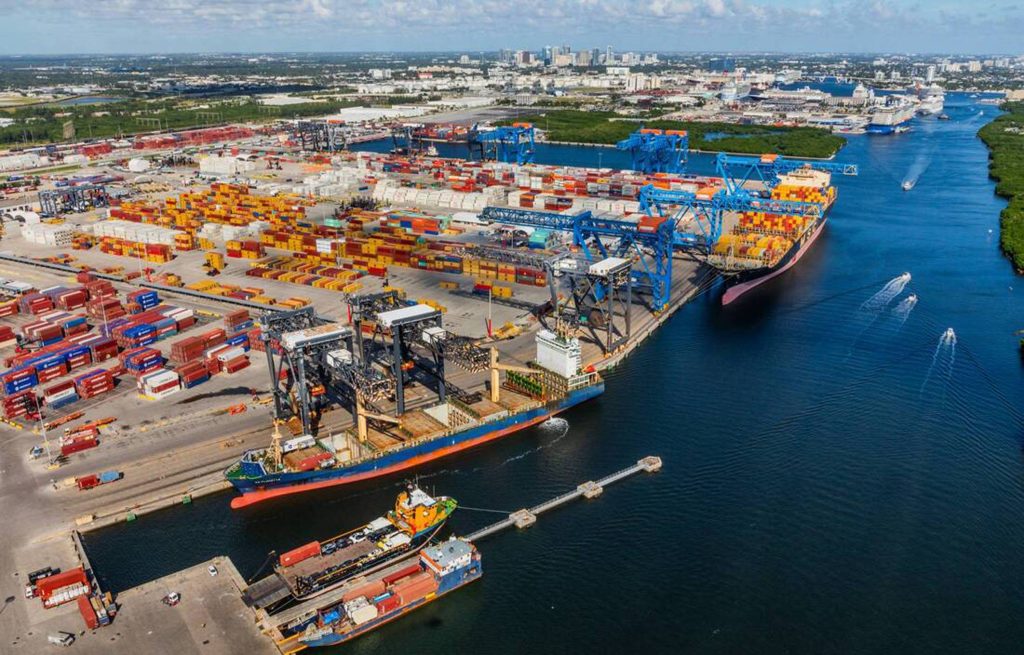
The city’s economy is supported by world-class infrastructure. Port Everglades, located in Fort Lauderdale, ranks among the most efficient seaports in the United States. According to its 2026 Economic Impact Report, the port generates $48.3 billion in annual economic activity, supports nearly 296,000 jobs throughout Florida, and directly employs more than 13,000 people. It is Florida’s leading petroleum port, one of the state’s busiest container ports, and one of the world’s largest cruise ports. Long-term infrastructure investments exceeding $3 billion are further strengthening its competitiveness in international trade.
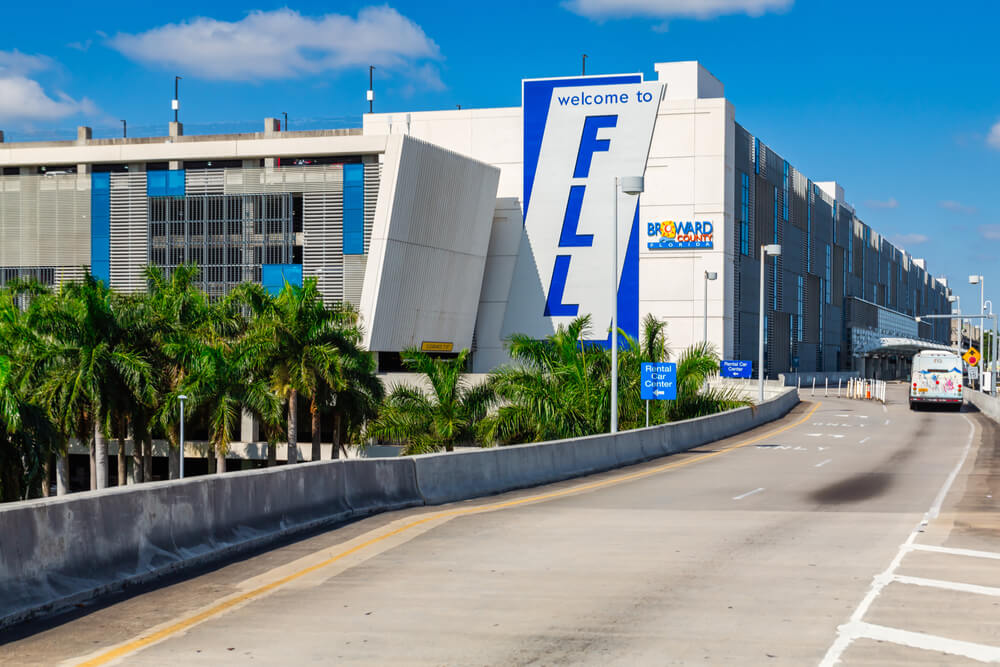
Fort Lauderdale-Hollywood International Airport serves as another major economic engine. The airport supports approximately 140,000 jobs, generates $13.2 billion in annual economic output, and handles tens of millions of passengers each year, facilitating business travel and international commerce between Florida and global markets.
Tourism also remains a cornerstone of the local economy. During the first quarter of 2026, Greater Fort Lauderdale hotels achieved an 85% occupancy rate, an increase over the previous year, while the average daily room rate exceeded $240, reflecting the destination’s continued appeal to international visitors, investors, and business travelers.
Growing Economic Connections with Africa
Although trade between Fort Lauderdale and Africa remains smaller than the city’s commercial exchanges with Latin America and the Caribbean, economic ties continue to expand through the maritime connectivity offered by Port Everglades. Major exports include industrial equipment, machinery, vehicles, pharmaceuticals, consumer goods, and processed agricultural products. Imports from Africa primarily consist of cocoa, coffee, tropical fruits, seafood products, minerals, refined petroleum products, and selected manufactured goods.
With its modern logistics infrastructure and direct maritime connections, Port Everglades offers African exporters an attractive alternative gateway to the U.S. market, particularly for serving Broward County, Palm Beach County, and Central Florida. As trade between the United States and Africa continues to grow under initiatives such as the African Continental Free Trade Area (AfCFTA) and existing U.S.-Africa commercial partnerships, Fort Lauderdale is well positioned to play a greater role in facilitating these exchanges.
High-Potential Partnerships with Major African Cities
From the perspective of the Florida Africa Chamber of Commerce, Fort Lauderdale offers significant opportunities to strengthen economic cooperation with several major African metropolitan areas.
Abidjan, Côte d’Ivoire, represents an ideal partner due to its position as West Africa’s leading logistics and commercial hub. Opportunities exist in cocoa processing, agribusiness, port equipment, logistics services, and industrial investment.
Casablanca, Morocco, offers strong prospects for collaboration in financial services, aerospace, renewable energy, technology, and integrated supply chains linking North America, Europe, and Africa.
Cape Town, South Africa, presents substantial opportunities in maritime industries, tourism, information technology, the blue economy, and port management areas where Fort Lauderdale has developed internationally recognized expertise.
What the Florida-Africa Chamber of Commerce Thinks.
Fort Lauderdale possesses all the characteristics necessary to become one of Africa’s most valuable economic partners in the State of Florida. Its internationally recognized seaport, growing international airport, business-friendly environment, thriving tourism industry, and continuous infrastructure investments make the city an increasingly attractive destination for global investors.
For the Florida Africa Chamber of Commerce, building stronger commercial and institutional partnerships between Fort Lauderdale and Africa’s leading metropolitan economies represents a strategic opportunity. By promoting trade missions, cross-border investments, business matchmaking, and institutional cooperation, Fort Lauderdale can further strengthen its role as a gateway connecting Florida with Africa’s rapidly expanding markets.
.