An Economic Analysis by the Florida Africa Chamber of Commerce
Florida has become one of the most dynamic economies in the United States and a strategic gateway for international trade. With a population exceeding 23 million residents, a Gross State Product (GSP) of more than $1.7 trillion, and approximately $79 billion in merchandise exports in 2025, Florida serves as a major commercial hub connecting the Americas, the Caribbean, Europe, and Africa. Merchandise exports alone support an estimated 208,000 jobs across the state.
Within this thriving economic environment, African-owned agribusinesses and food enterprises are playing an increasingly significant role. They contribute to the diversification of Florida’s food supply, strengthen international trade, create employment opportunities, and deepen economic ties between Florida and the African continent.
A Growing Florida–Africa Trade Relationship
Trade between Florida and Africa continues to expand, creating new opportunities for businesses on both sides of the Atlantic. In 2025, Florida exported approximately $785 million in goods to Sub-Saharan Africa, reflecting the state’s growing commercial engagement with African markets.
South Africa remains Florida’s largest African trading partner. In 2024, total merchandise trade between Florida and South Africa exceeded $352 million, representing an increase of more than 15 percent compared with the previous year.
Several other African countries are also strengthening their commercial relationships with Florida, including:
- Nigeria, Africa’s largest economy and a key market for processed food products and consumer goods.
- Kenya, recognized for its expanding horticultural and agricultural exports.
- Ghana, internationally known for cocoa, tropical fruits, and value-added agricultural products.
- Côte d’Ivoire, the world’s leading cocoa producer and an important supplier of agricultural commodities.
- Morocco, a major exporter of citrus products, seafood, and agricultural goods.
- Senegal, which continues to expand exports of seafood and horticultural products to U.S. markets.
Together, these partnerships illustrate the growing economic importance of Florida as a gateway for African trade into the United States.
African Entrepreneurs: Creating Value Beyond Commerce
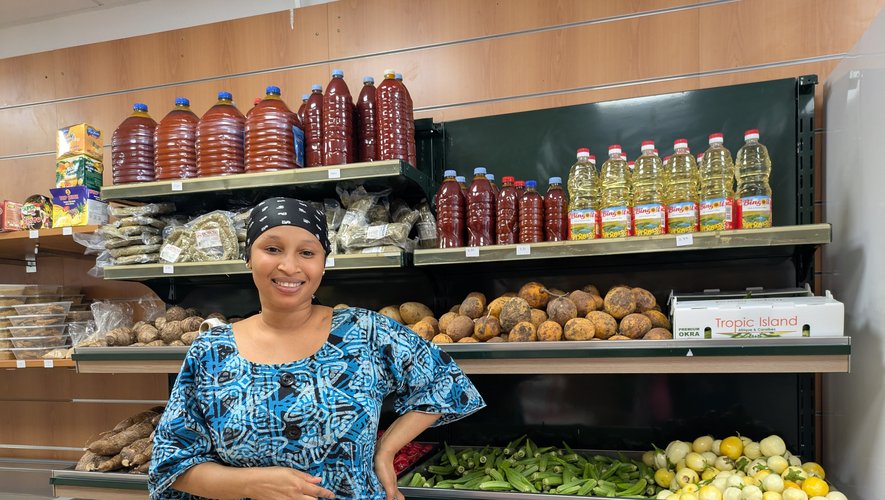
African entrepreneurs have become an integral part of Florida’s agribusiness ecosystem. Across the state, African-owned grocery stores, wholesalers, importers, restaurants, distributors, and logistics companies are serving an increasingly diverse customer base that extends well beyond African diaspora communities.
Their economic contributions include:
- Creating direct and indirect employment opportunities;
- Supporting transportation, warehousing, and logistics industries;
- Generating local and state tax revenues;
- Strengthening partnerships with American small and medium-sized businesses;
- Encouraging private investment and international business development.
The economic impact extends far beyond retail sales. Every dollar spent within African food businesses generates additional activity across supply chains, including transportation, marketing, finance, insurance, warehousing, and professional services.
Consumer Demand Driven by Florida’s Cultural Diversity
Florida is one of America’s most culturally diverse states, making it an ideal market for international food products.
Today’s consumers increasingly seek products that are:
- Authentic;
- Naturally sourced;
- Organic;
- Plant-based and protein-rich;
- Representative of global culinary traditions.
African food products align closely with these evolving consumer preferences. Fonio, cassava-based products, traditional spices, palm oil, hibiscus beverages, ginger, tropical fruits, seafood products, and other African specialties are attracting not only African and Caribbean communities but also health-conscious American consumers eager to explore new culinary experiences.
This shift reflects broader national trends toward healthier diets, multicultural cuisine, and sustainable food systems.
South Florida: The Epicenter of African Food Commerce
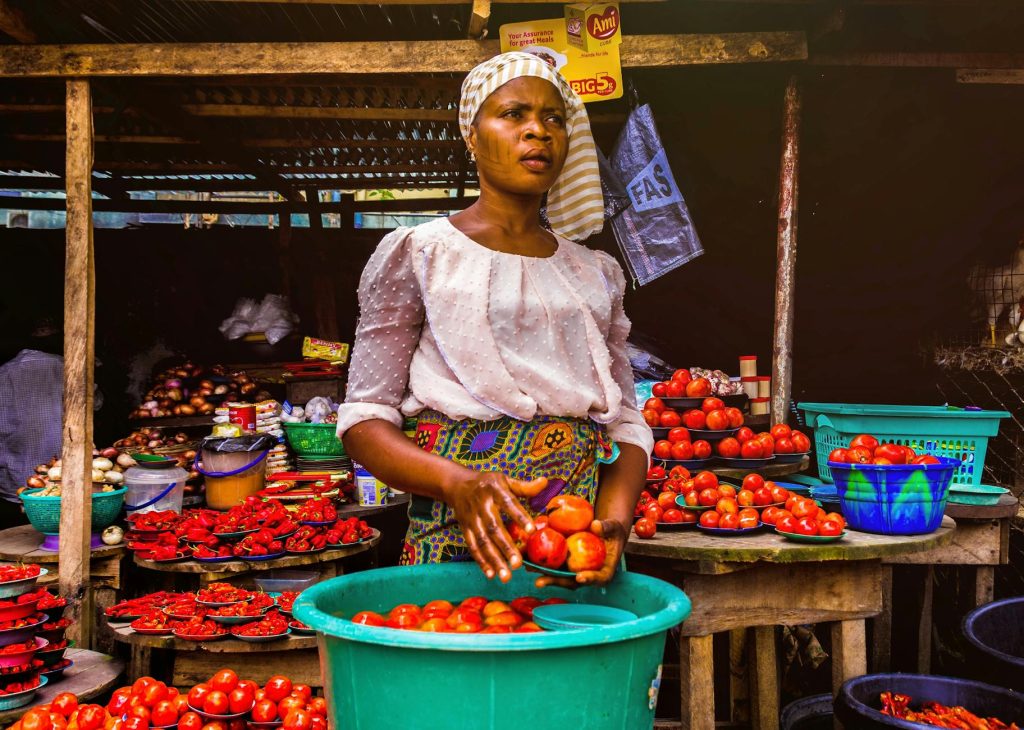
South Florida has emerged as the state’s primary market for African food products.
Miami serves as the principal gateway for imports, supported by world-class port facilities, Miami International Airport, and its strategic geographic position connecting North America, Latin America, the Caribbean, and Africa. In 2025, the Miami Customs District handled more than $84.5 billion in merchandise exports, underscoring its central role in global trade.
Fort Lauderdale offers a high-income consumer market where demand for premium international food products continues to grow.
West Palm Beach is experiencing rapid population growth, creating new opportunities for multicultural grocery retailers and specialty food distributors.
Across these metropolitan markets, African food retailers typically achieve gross profit margins ranging from 25 percent to 45 percent, depending on product categories, import volumes, operational efficiency, and market positioning. Premium, organic, and value-added products often generate the strongest financial performance.
Looking Ahead
The long-term outlook for African agribusiness in Florida remains highly promising.
Several structural factors are expected to support continued growth:
- Florida’s expanding population;
- Increasing trade between Africa and the United States;
- Continued growth of African diaspora communities;
- Rising consumer demand for international cuisine;
- Expansion of e-commerce and digital food distribution;
- Ongoing investment in logistics and international supply chains.
In this evolving landscape, the Florida Africa Chamber of Commerce (FACC) plays a vital role by supporting entrepreneurs, facilitating business partnerships, promoting investment opportunities, and strengthening commercial cooperation between Florida and African nations.
Conclusion
African agribusiness is no longer a niche market in Florida. It has become an emerging strategic sector that contributes to regional economic diversification, job creation, innovation, and international trade.
Supported by growing consumer demand, world-class logistics infrastructure, and a vibrant entrepreneurial community, African businesses are helping build a sustainable economic bridge between Africa and Florida. As commercial ties continue to expand, the agribusiness sector offers significant opportunities for investors, policymakers, and business leaders committed to strengthening U.S. – Africa economic relations.
Through collaboration, innovation, and strategic investment, Florida is well positioned to become America’s leading gateway for African agribusiness and food commerce in the decades ahead.